


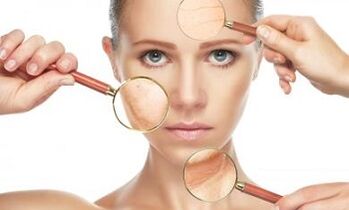
The external manifestation of skin aging is the appearance of wrinkles, enlarged pores and loss of the feeling of freshness of the skin.The aging process at the initial stages is almost not manifested, and, therefore, does not attract much attention, but already at the age of 25 the first signs of incipient withering appear: turgor drops, texture changes.Later, the skin gradually thins - blood vessels become noticeable, and areas with hyperpigmentation appear.
To restore youthful skin, it is not enough to eliminate only the visible signs of aging - you need to restore the active activity of cells, the natural mechanism of their renewal and growth.Thus, the skin will return not only a fresh look, but will actually become younger.Cosmetology made a real breakthrough in 2004, when the method of fractional photothermolysis was introduced for the treatment of age-related skin changes.This technology has been proven and clinically tested - its effectiveness in correcting wrinkles and rejuvenating the skin has been proven.
Practical application has also shown that fractional photothermolysis is easily tolerated, safe and has high performance in eliminating cosmetic defects and restoring youth.Today this is one of the most reliable and promising methods of skin rejuvenation and tightening, recognized as the “gold standard” in solving cosmetic problems.In addition, it is a modern and safe alternative to surgical skin lifting.
Progress of the procedure, patient sensations
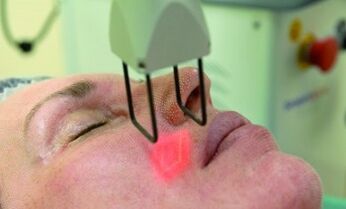
One integral and pleasant advantage of the fractional photothermolysis procedure is its painlessness - only the use of superficial anesthesia is necessary, and the sensations are limited to a slight tingling sensation in the area treated by the laser beam.
The anesthetic is applied before the start of the session, which lasts within an hour - the time varies depending on the size of the surface to be treated.
The specialist performing the procedure immediately after its completion consults the patient, lubricates the skin with cream and gives detailed instructions for caring for it.
It should be noted that no further special medical skin care is required and you can go home on your own.
Recovery period
If surgical intervention previously required a long recovery period, then the fractional laser rejuvenation method does not take much time: it takes no more than a week to return to the usual rhythm of life: the timing depends on the method of intervention (ablative, non-ablative).In the first two days after the procedure, the skin may swell slightly, redness is noted on days 2-4, and on days 4-7, dead cells begin to peel off, freeing healthy and beautiful skin for breathing and development.
You can make sure that the fractional photothermolysis procedure has made your skin younger very quickly - after the ablative method, the skin tightens almost immediately, and in general, after a week, wrinkles begin to smooth out, the complexion is evened out, the texture of the skin improves, and the oval of the face becomes clearer.In order to consolidate and maximize the result, several procedures are necessary - they are carried out about a month apart.
Fractional laser rejuvenation continues to work for up to six months after all procedures are completed, and the effect lasts for several years.In many ways, the result is determined by the lifestyle that the patient leads - following a program to preserve youthful skin, prescribed by a doctor, helps to significantly slow down its fading.
Combination with other rejuvenation methods
Many patients, in an effort to enhance the rejuvenation effect, want to combine fractional laser rejuvenation with the use of botulinum toxin injections and fillers.In this case, there are no contraindications - special studies have confirmed the safety of the effect of fractional laser on collagen and hyaluronic fillers.There are also no restrictions for those wishing to undergo both a laser rejuvenation procedure and a Botox injection on the same day, but in order for the rejuvenation effect to be greatest, it is recommended to first complete a course of fractional laser rejuvenation.Most likely, the achieved effect will not require any additional efforts to restore the beauty and youth of your skin.
Contraindications for the procedure
The fractional laser rejuvenation procedure should not be performed if there are general therapeutic contraindications:
- Benign and malignant neoplasms in the treatment area.
- Oncological diseases, radiation and chemotherapy.
- Dermatoses in the area of the procedure, photodermatoses.
- Cases of vitiligo in the family.
- Herpetic infection in the last month.
- History of keloid scars.
- Acute infectious diseases or impaired immunity.
- Chronic diseases (diabetes mellitus, systemic connective tissue diseases, blood clotting disorders, thromboembolic diseases.)
- Fresh tan or use of a solarium in the last month.
- Use of oral retinoids in the past 6 months or use of topical dermatological products with retinoids in the past 2 weeks.
- Pregnancy, lactation.
- Mental illness.
If there is a contraindication, the procedure should be temporarily abstained in order to ensure health safety; the fractional laser rejuvenation procedure itself is completely safe.